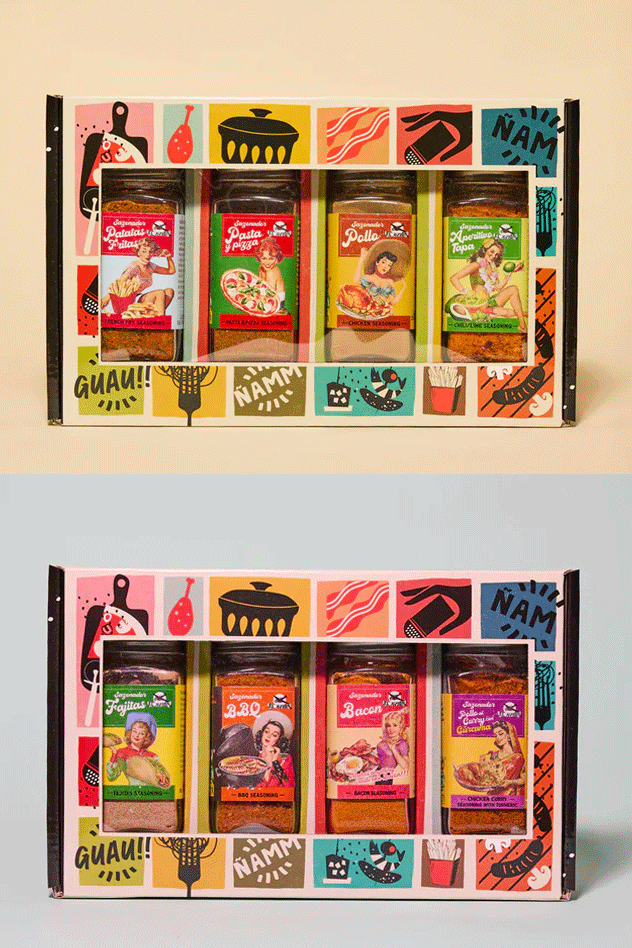
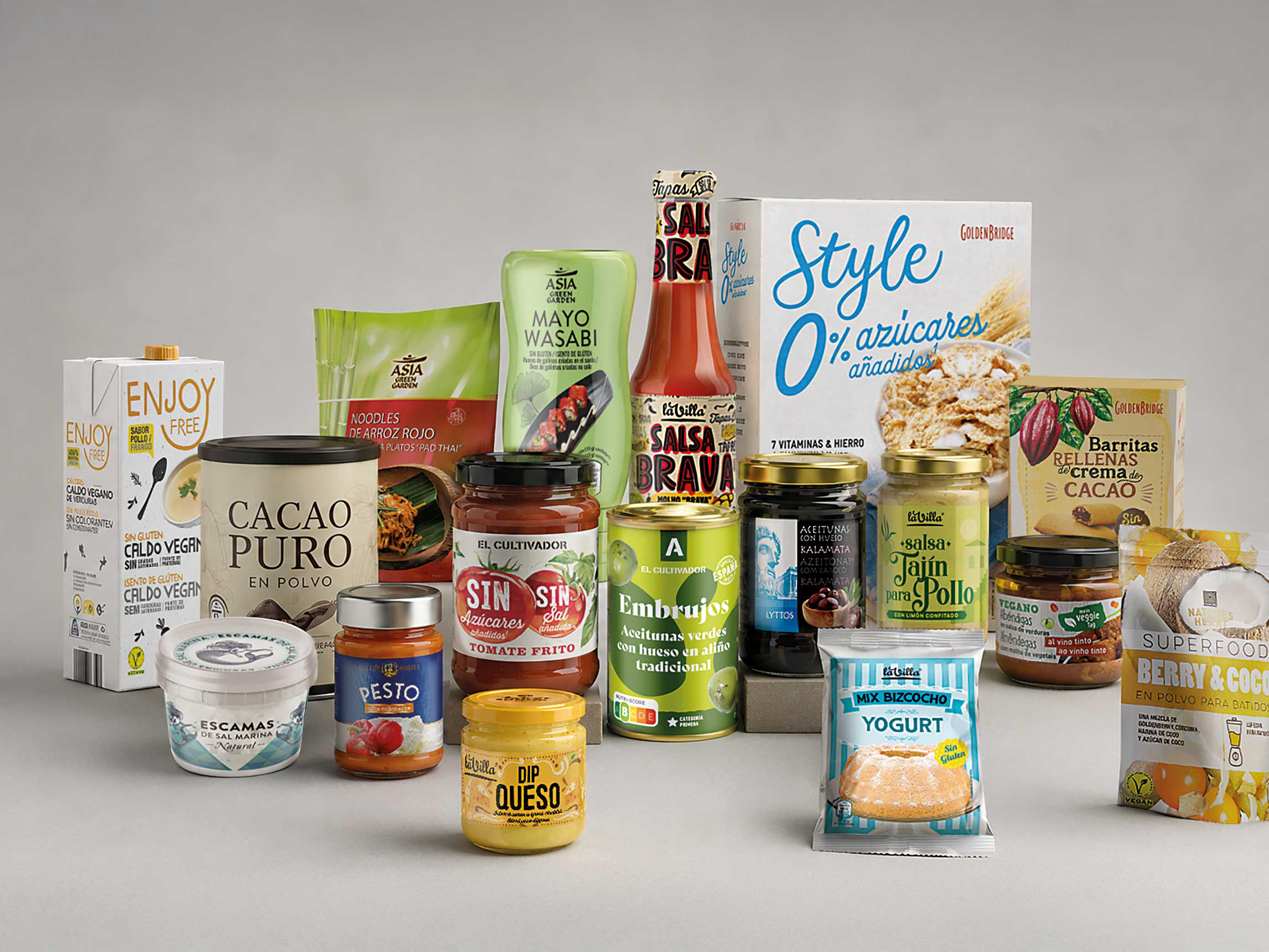
Spirits
Extending the work into spirits introduces a different set of expectations, where storytelling, origin and emotional connection play a stronger role.
The identity combines traditional cues with a richer and more expressive visual language, reflecting both the product’s heritage and its experiential consumption context.
The result is a brand that stands out on shelf while maintaining authenticity and character.
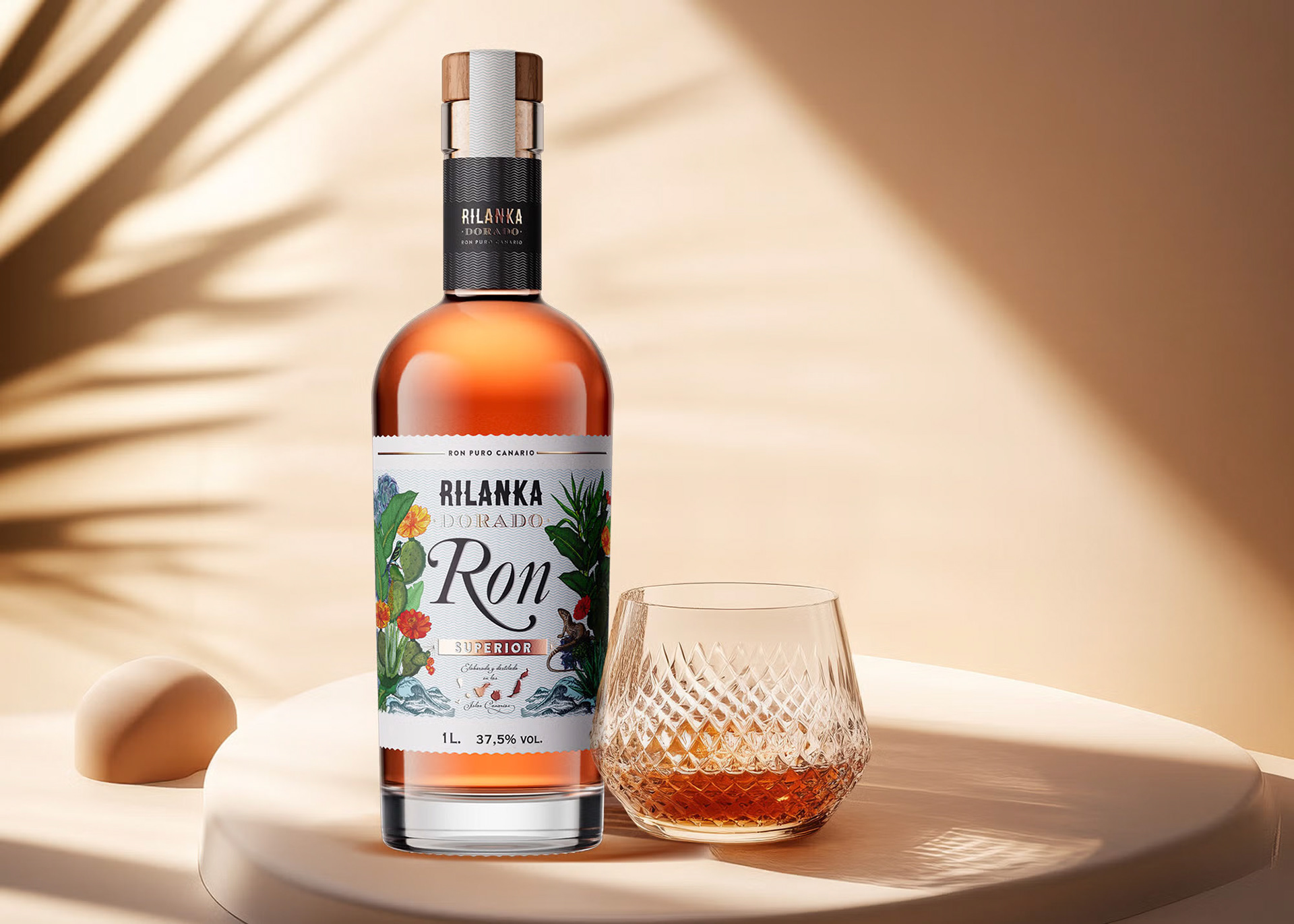
A rum conceived
to transcend time
Rum in the Canary Islands is a story written with Atlantic light and volcanic fire. Since sugarcane first reached the islands in the 15th century, its sweetness became the soul of a land open to the sea and to the routes that connected it with the world. From those early mills and distilleries emerged a spirit that, over time, evolved into rum: a profound distillate with its own character and centuries of memory. Across the ocean, the Caribbean was developing its own universe of aromas and flavours. The Canary Islands shared with it the origin in sugarcane, yet infused every drop with the unmistakable mark of volcanic soil and the Atlantic breeze. The result was a rum unlike any other—noble, refined, and full of nuance—accompanying geanerations of celebrations and journeys. Each bottle is a tribute to the history of sugarcane in the Canary Islands, to the strength of the sea, and to the eternal dialogue with the Caribbean. A rum conceived to transcend time: elegant, luminous, and profound. More than a drink, an experience to be celebrated.
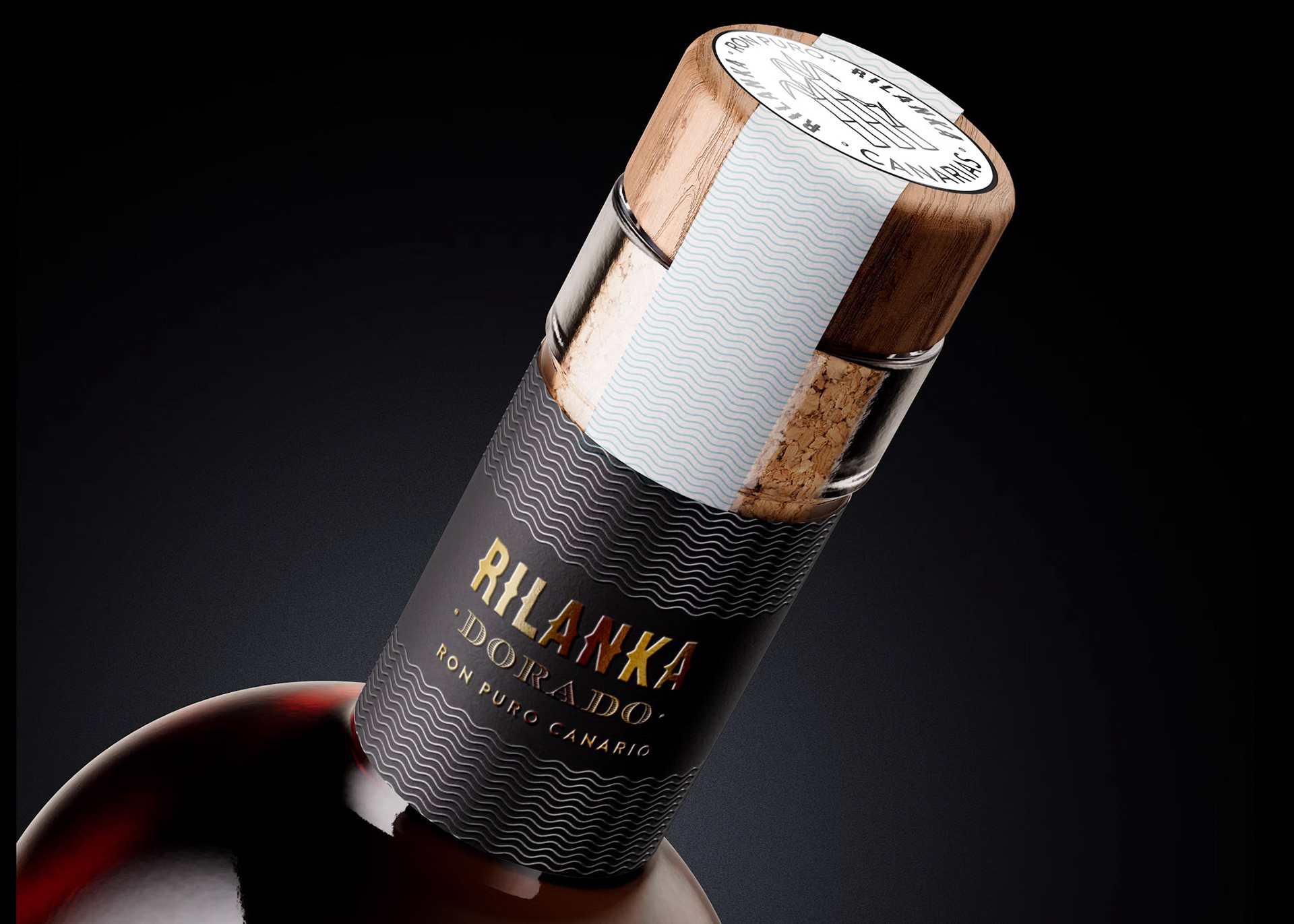
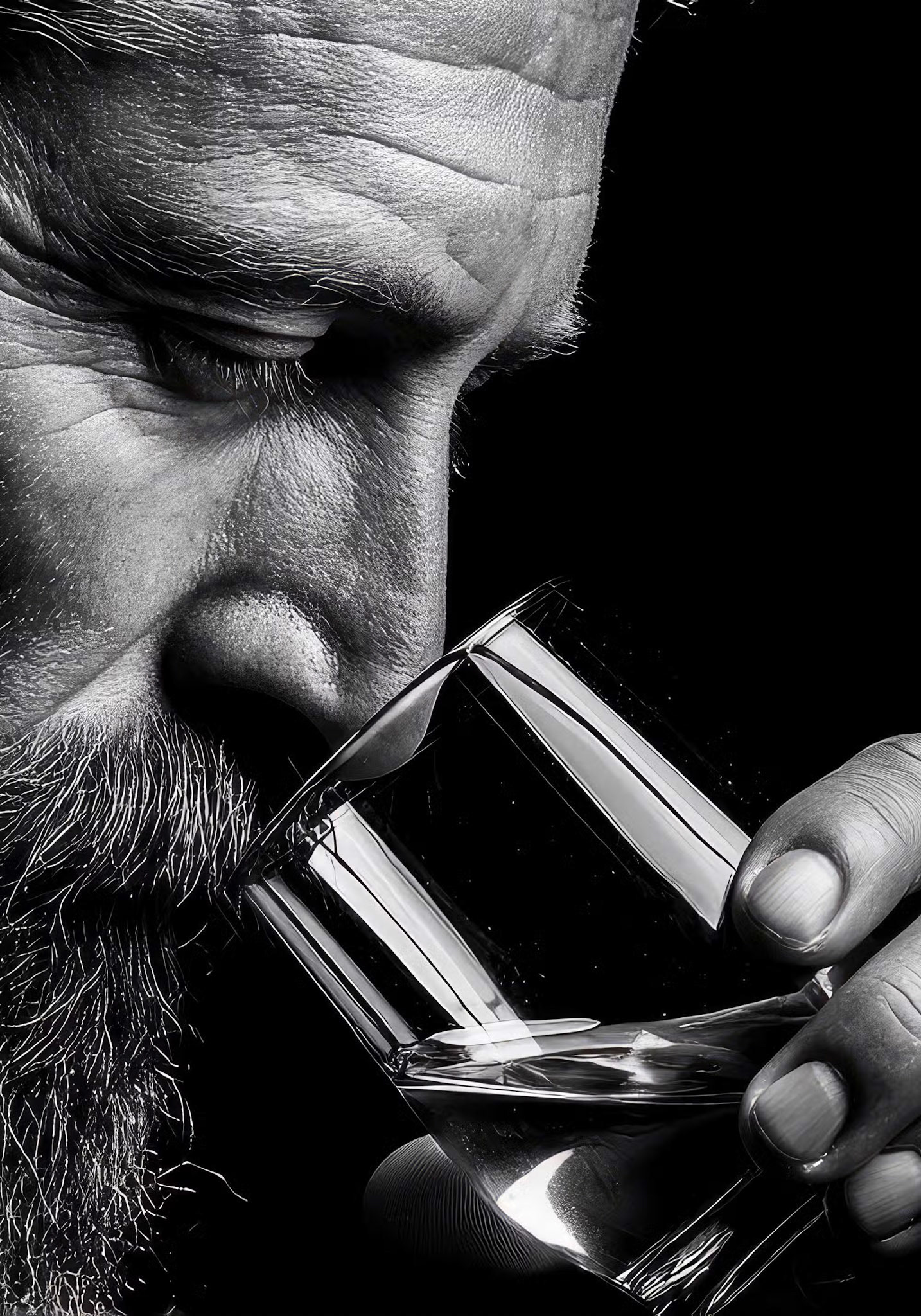
Each drop carries within it a patient journey—born of sugarcane, shaped by time, and refined in the quiet embrace of oak. Aromas weave together like a delicate tapestry: warm vanilla, bitter cacao, ripe fruits, and the subtle depth of wood that has guarded its secrets. On the palate, it unfolds with silk-like softness and balanced character, revealing layers of toasted caramel, noble spices, and a lingering echo of coffee. The finish is long, serene, and unforgettable.
Heritage reimagined
with a contemporany voice
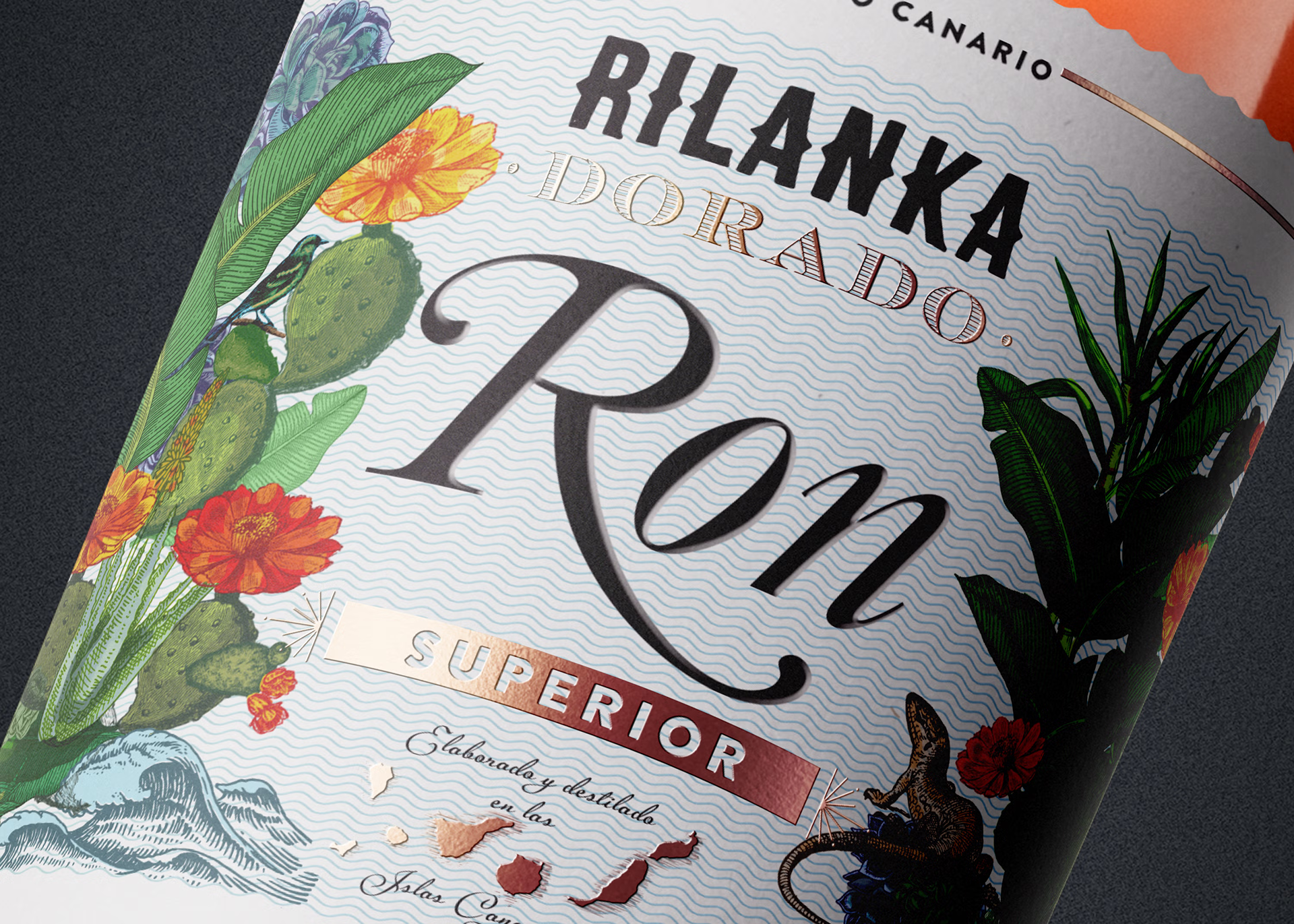
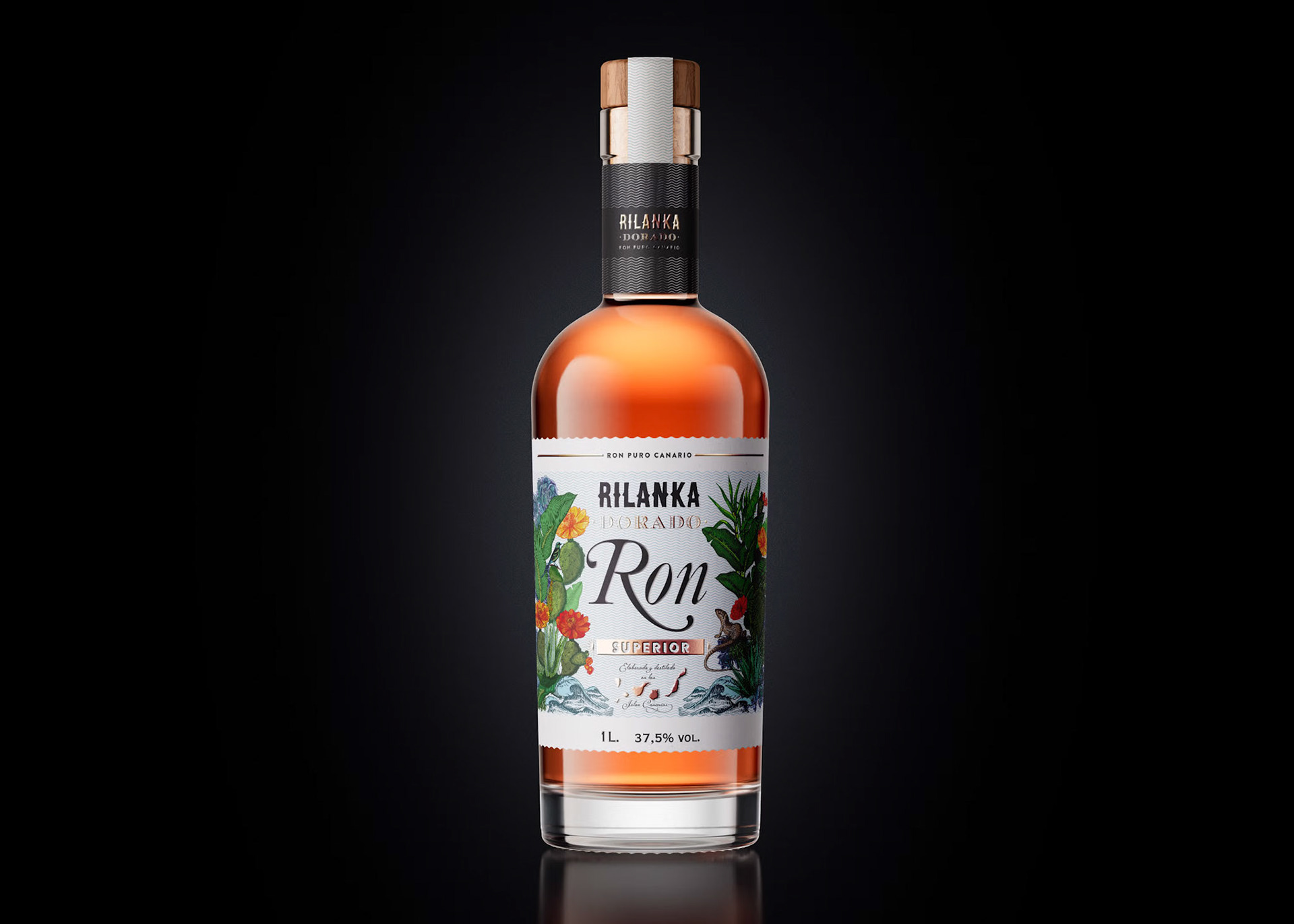
This same spirit lives in its label, imagined as a canvas where illustration becomes narrative. Drawing inspiration from the tradition of botanical plates—where science met artistry to capture nature with precision and beauty—this heritage is reimagined with a vibrant, contemporary voice. Native flowers, cacti, and wild vegetation are not mere decoration, but symbols of origin, identity, and character, linking the rum to the land and soul of the Canary Islands. Every stroke, every texture, every shade reflects a patient, handcrafted artistry, transforming the label into a visual echo of the spirit it encloses.
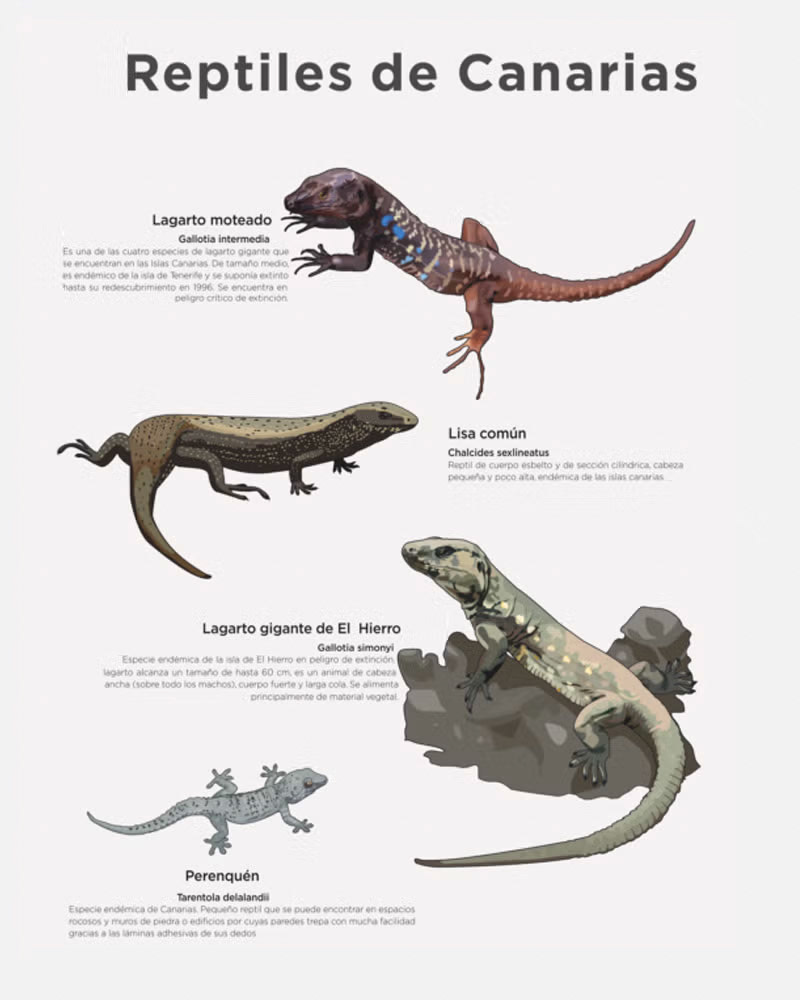
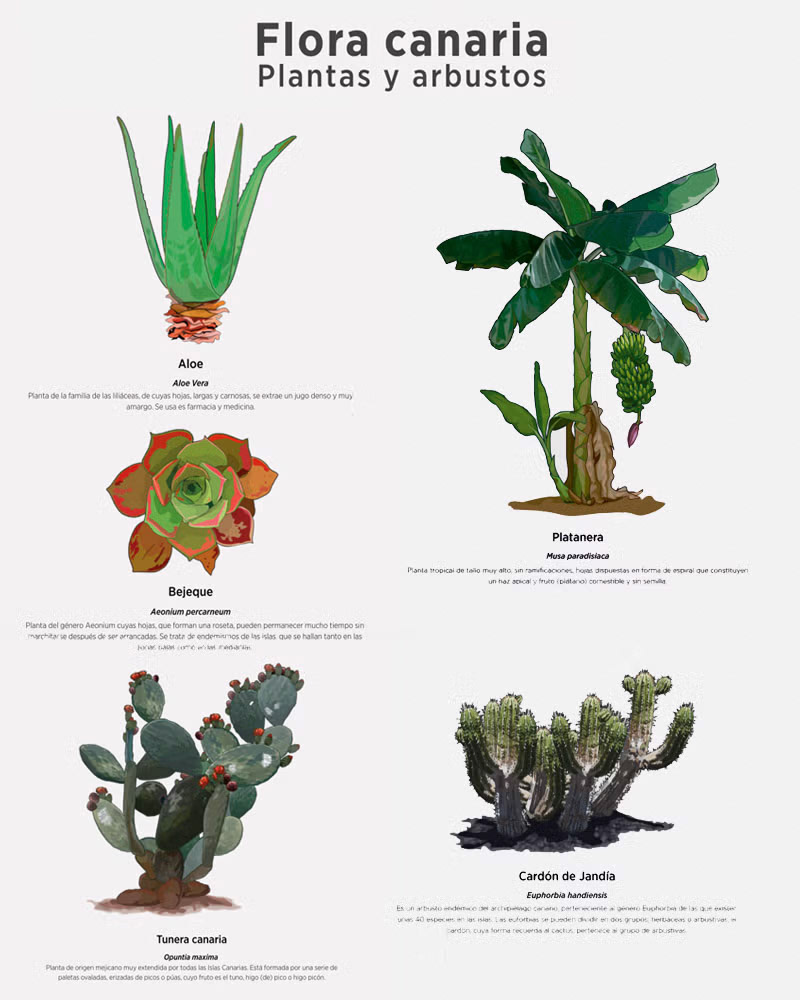
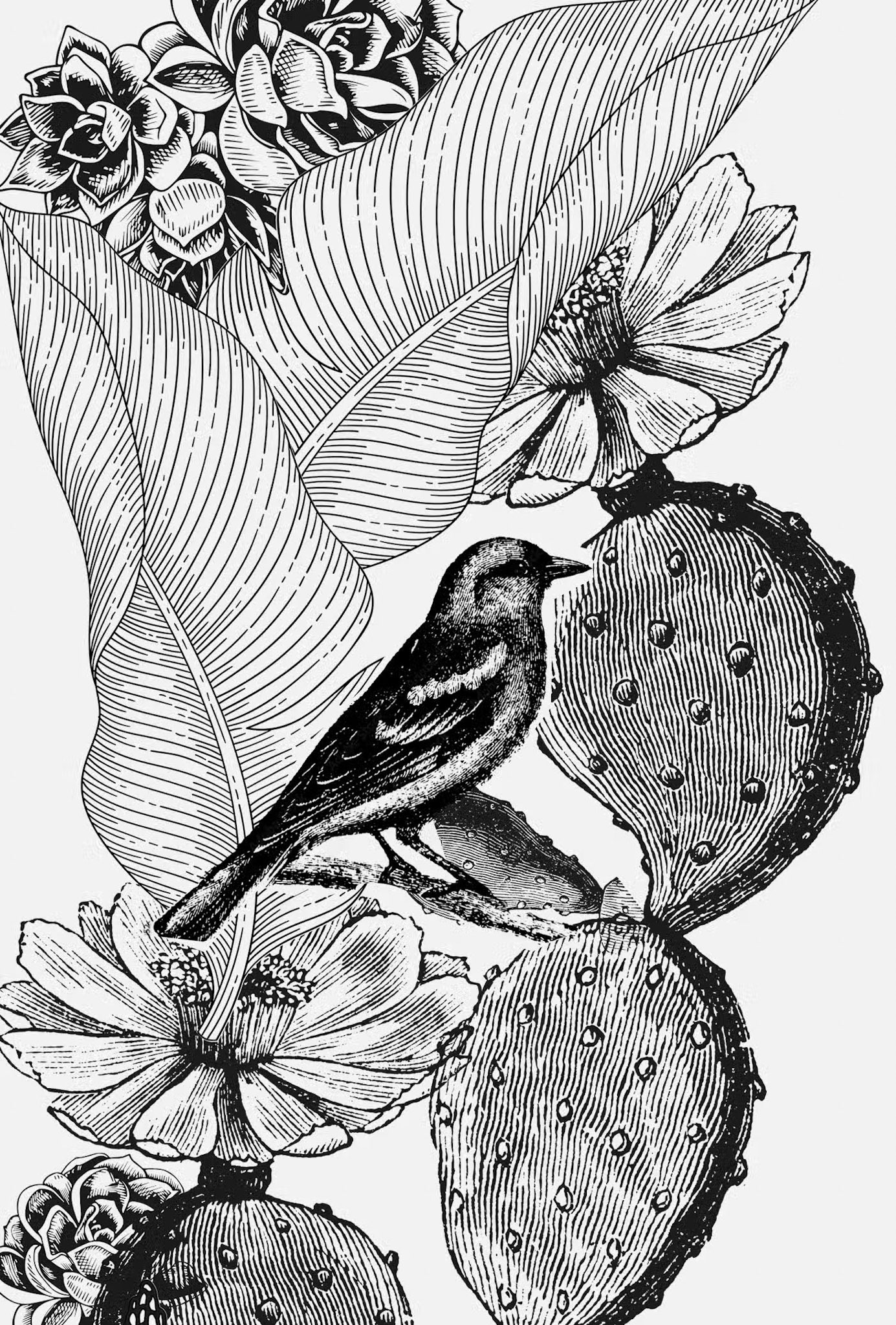
On the cliffs of El Hierro, the lizard moves with quiet grace. Its green scales catch the sun, shimmering like a secret treasure. Alone yet unafraid, it is a symbol of resilience—life persisting, adapting, surviving. The Aloe opens its fleshy leaves to the sun, a silent healer in the volcanic soil. The tunera spreads wide, proud and bold, offering fruit and shade, a gift born of endurance. The bejeque clings to rocks, delicate but determined, reminding us that beauty thrives even in the harshest corners. The cardo de Jandía stands tall, spiny and strong, guarding the arid coasts, a sentinel of survival. Together, these creatures and plants whisper the islands’ stories. They speak of persistence, adaptation, and quiet strength. To watch them is to feel the pulse of life itself, small yet infinite, fragile yet enduring. In the Canary Islands, every lizard, leaf, and thorn carries a tale of transformation—a reminder that life always finds a way.

The map of the Canary Islands, with its delicate lines, engraved contours, and meticulous shading, belongs to a tradition of illustration where precision meets artistry. Each island is rendered with careful attention to topography, cliffs, and coastlines, capturing both their physical reality and their character as isolated, vibrant ecosystems. Such illustrations are closely linked to the practice of naturalist art. In the 18th and 19th centuries, explorers, scientists, and artists documented the flora and fauna of remote regions with similar attention to detail. Just as the map delineates each island’s shape and relief, naturalist drawings captured the unique features of plants and animals—like the El Hierro lizard, the Aloe, the tunera, the bejeque, the cardo de Jandía, the cultivated plátano canario, and the fields of sugarcane (caña de azúcar)—preserving their forms for study and appreciation. The precision of cartography and naturalist illustration shared the same purpose: to observe, record, and celebrate the natural world. In the Canary Islands, these practices converged, producing works that are both scientific and poetic. The islands’ rugged cliffs, volcanic soils, endemic species, and cultivated landscapes became subjects for explorers’ quills and engravers’ plates, turning maps and illustrations into testimonies of biodiversity and human curiosity. Today, looking at this style of map alongside illustrations of Canary flora and fauna reminds us that art and science have long been intertwined.
________________________________________
Trusted by brands that can’t afford mistakes.
For over 20 years, we’ve collaborated with leading companies in highly competitive industries, delivering digital experiences where quality, reliability and execution matter.
For over 20 years, we’ve collaborated with leading companies in highly competitive industries, delivering digital experiences where quality, reliability and execution matter.
AC MARCA · ALDI · AQUILEA · CAJA DUERO · COTY · DANONE · DERMOFARM · LACTALIS · ROCA · SKEYNDOR · VEGETALIA · VICKI FOODS
If these brands trusted us with their projects, you can trust us with yours.